Our History
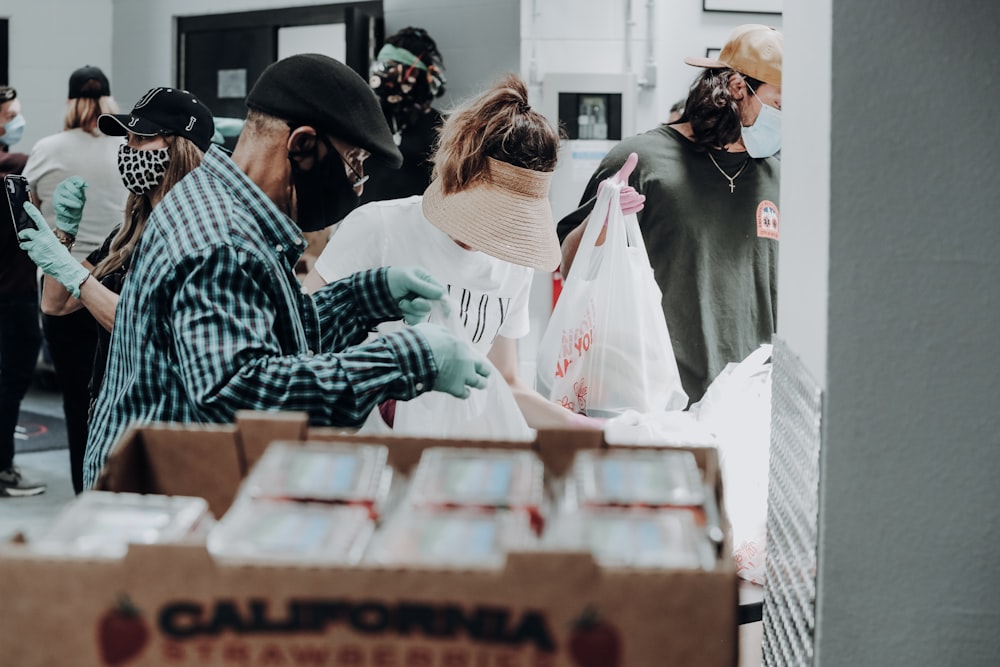
Our Hope Food Bank was founded in 2016 by a group of community leaders, local officials, nonprofit directors, business owners, and anti-hunger advocates who saw that despite the Bay Area's reputation for wealth and innovation, too many families were struggling to afford groceries. They recognized that while there were existing food pantries and programs, there was still a significant gap between the level of need and available resources, especially for families dealing with the high cost of living in Santa Clara, Alameda, and San Mateo Counties.
The planning process took about eighteen months and included community surveys, meetings with stakeholders, research into what resources already existed, and analysis of how to create something sustainable. Our Hope officially opened as an independent 501(c)(3) nonprofit with a volunteer Board of Directors and a small paid staff supplemented by many volunteers. We started in a small 3,000 square foot warehouse serving about 150-200 families per month with basic food boxes, and have grown to our current facility of 10,000-12,000 square feet where we now serve 30,000-40,000 people annually through multiple programs including client-choice pantry, mobile distributions, nutrition education, and benefits assistance.
Mission & Values
Our Mission
Our Hope Food Bank works to reduce food insecurity in Santa Clara, Alameda, and San Mateo Counties by providing access to nutritious, culturally appropriate food while connecting families to other resources that support long-term stability. We address both immediate hunger and the underlying factors that contribute to poverty and food access challenges.
Our Vision
We envision a community where emergency food assistance is temporary - a bridge that helps families through difficult times rather than a permanent necessity. We're working toward a future where no one has to choose between buying food and paying for rent, utilities, healthcare, or other basic needs.
What We Value
- Dignity and Respect: We recognize that food insecurity is not a personal failure but a systemic problem. Our services are designed to maximize choice, minimize paperwork, and create a welcoming environment where people feel respected, not judged.
- Equity and Access: We work to identify and remove barriers that make it hard for certain groups to get help, including people who don't speak English, undocumented immigrants, people with disabilities, LGBTQ+ community members, and others who face discrimination or service access challenges.
- Accountability and Transparency: We maintain careful financial records, report our outcomes publicly, and measure our impact to show donors and the community that we're using resources responsibly and making a real difference.
- Partnership and Collaboration: We know that no single organization can solve food insecurity alone. We actively work with other nonprofits, government agencies, businesses, and community groups to create a coordinated network of support.
- Learning and Improvement: We use data to make decisions, listen to feedback from the people we serve, and stay current on best practices in the anti-hunger field so we can continuously improve our programs.
Board of Directors & Leadership
Our Hope Food Bank is governed by a volunteer Board of Directors made up of community leaders with diverse backgrounds and expertise. The Board provides oversight, sets strategic direction through multi-year planning, approves the annual budget, monitors the Executive Director's performance, ensures we comply with legal requirements, and helps raise awareness and funds in the community.
Board Structure
The Board has 12-15 volunteer members who serve three-year terms and can be re-elected for additional terms (with limits set in our bylaws). We intentionally recruit Board members who reflect our community's diversity in terms of race, ethnicity, income background, geography, professional skills, and lived experience with food insecurity. The Board works through committees including Executive, Finance, Development, Program, and Governance/Nominating, each with specific responsibilities and regular meeting schedules.
Current Board Leadership
- Board Chair: Dr. Maria Rodriguez, Community Health Director, Regional Medical Center
- Vice Chair: James Chen, Partner, Chen & Associates Legal Services
- Treasurer: Patricia Williams, CFO (Retired), Technology Corporation
- Secretary: Rev. Michael Johnson, Senior Pastor, Community Faith Center
Executive Leadership and Staffing Infrastructure
Day-to-day operational management and programmatic implementation are entrusted to a professional staff team led by the Executive Director who reports directly to the Board of Directors and bears responsibility for strategic plan execution, fiscal management, fundraising coordination, community relations, program oversight, human resources administration, and organizational performance. The organizational chart encompasses approximately 8-10 full-time equivalent professional staff positions supplemented by 4-6 part-time staff members whose responsibilities span operations, development, programs, finance, and administration functional domains.
Key Staff Positions
- Executive Director: Provides overall organizational leadership and strategic direction
- Director of Operations: Oversees warehouse operations, inventory management, food safety protocols, and distribution logistics
- Director of Development: Leads fundraising initiatives, donor relations, grant writing, and corporate partnership development
- Program Manager: Coordinates programmatic service delivery, partner agency relationships, and client services
- Finance Manager: Manages financial systems, budgeting, reporting, and compliance requirements
- Volunteer Coordinator: Recruits, trains, schedules, and supports volunteer workforce
Organizational Impact and Performance Metrics
Our Hope Food Bank maintains commitment to rigorous outcome measurement and performance monitoring as essential components of organizational accountability, continuous improvement, and evidence-based practice. Our impact measurement framework encompasses both output indicators (quantifying service delivery volume and reach) and outcome indicators (assessing changes in client circumstances and well-being attributable to program participation). Data collection occurs through multiple mechanisms including client intake forms, participant surveys, program attendance records, inventory tracking systems, and periodic comprehensive program evaluations conducted in partnership with external research consultants.
Key Performance Indicators (Most Recent Fiscal Year)
Finances & Transparency
As a charity that depends on public donations, we take financial transparency very seriously. Our annual budget is about $3 million, which we allocate carefully to maximize the impact of our programs while maintaining the infrastructure we need to operate effectively. We make our detailed financial statements, IRS Form 990 filings, annual reports, and impact data available on our website and by request, following nonprofit best practices and legal requirements.
Where Our Funding Comes From
We deliberately maintain diverse funding sources to avoid being too dependent on any single revenue stream, which could put our stability at risk. About 50% of our annual revenue comes from individual donors (including major gifts, monthly donors, and online giving), 20% from foundation grants, 15% from corporate partnerships and sponsorships, 10% from fundraising events, and 5% from government contracts and service fees. This mix helps us stay financially stable while maintaining our independence.
How We Spend Money
Budget Breakdown
- Programs: 85-88% goes directly to running our food programs and services
- Administration: 7-9% covers general management, accounting, and organizational infrastructure
- Fundraising: 5-7% supports donor outreach, events, and development work
These percentages meet or exceed nonprofit efficiency standards set by Charity Navigator, GuideStar, and the Better Business Bureau Wise Giving Alliance.
Community Partnerships
Our Hope is part of a larger network of organizations working to address hunger and poverty in the tri-county area. We partner with about 45 community organizations, churches, senior centers, schools, and social service agencies that receive food from us to distribute to their communities. We also work with healthcare providers on food prescription programs, housing organizations that help clients balance food and rent costs, job training programs, and advocacy groups pushing for policy changes to address the root causes of poverty and food insecurity.